CRM software reviews set the stage for this enthralling narrative, offering readers a glimpse into a story that is rich in detail and brimming with originality from the outset. In a world where technology drives decision-making, uncovering the best CRM solutions through reviews becomes paramount.
Introduction to CRM Software Reviews
CRM software reviews play a crucial role in helping businesses make informed decisions when choosing a customer relationship management solution. These reviews provide valuable insights and feedback from actual users, helping potential buyers evaluate the pros and cons of different CRM software options.
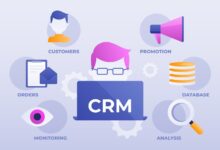




Importance of CRM Software Reviews
- CRM software reviews offer an unbiased perspective on the functionality, usability, and overall performance of various CRM solutions.
- Businesses rely on these reviews to understand the real-world experiences of other users and gauge the effectiveness of a particular CRM software in meeting their specific needs.
- By reading CRM software reviews, companies can identify potential issues or limitations of a software before making a purchase, ultimately saving time and resources.
Impact of CRM Software Reviews on the Buying Process
- CRM software reviews influence the decision-making process by providing valuable feedback that helps businesses compare different options and choose the best fit for their requirements.
- Positive reviews can build trust and confidence in a particular CRM software, while negative reviews can raise red flags and prompt buyers to explore alternative solutions.
- Businesses that take the time to research and analyze CRM software reviews are better equipped to make informed decisions, leading to successful implementation and improved customer relationships.
Types of CRM Software Reviews
User-generated reviews and expert reviews play a crucial role in helping businesses make informed decisions when selecting CRM software. Let’s explore the different types of CRM software reviews available online and compare their credibility.
User-generated Reviews vs Expert Reviews
- User-generated reviews are feedback and ratings provided by actual users of CRM software. These reviews offer insights into the user experience, usability, and features of the software from a practical standpoint.
- Expert reviews, on the other hand, are assessments conducted by industry professionals, analysts, or technology experts. These reviews often provide in-depth analysis, comparisons, and evaluations of CRM software based on specific criteria.
- While user-generated reviews offer real-world experiences, expert reviews provide a more objective and detailed evaluation of CRM software.
- It is essential to consider both user-generated and expert reviews to gain a comprehensive understanding of CRM software performance and suitability for your business needs.
Credibility of Reviews from Industry Analysts and Review Platforms
- Reviews from industry analysts carry weight due to their expertise and in-depth knowledge of the CRM software market. Their evaluations are based on market trends, customer feedback, and performance analysis.
- Review platforms aggregate user-generated reviews and provide ratings and rankings for CRM software. These platforms can offer a broad perspective on the overall user satisfaction and performance of different CRM solutions.
- It is important to verify the credibility and reputation of industry analysts and review platforms to ensure the reliability of the information provided. Look for reviews from reputable sources with a track record of unbiased and thorough evaluations.
- By considering reviews from a variety of sources, including industry analysts, review platforms, user-generated feedback, and expert assessments, businesses can make well-informed decisions when choosing CRM software.
Factors to Consider in CRM Software Reviews
When reading CRM software reviews, users should consider various key factors to ensure they make informed decisions based on reliable information.
Reliability of Reviews based on User Experiences
- Look for reviews from verified users who have actually used the CRM software.
- Check for consistency in feedback across multiple reviews to gauge the overall user experience.
- Consider the credibility of the reviewer and whether they provide detailed insights into their experience.
- Pay attention to both positive and negative reviews to get a balanced perspective on the software.
Specific Features to Look for in CRM Software Reviews
- Customization options for tailoring the CRM to specific business needs.
- Integration capabilities with other tools and software used in the organization.
- User-friendly interface and ease of use for all team members.
- Automation features to streamline processes and improve efficiency.
- Data security measures to protect sensitive information.
Pros and Cons of CRM Software Reviews
When it comes to making decisions about CRM software, reviews can be a valuable tool. However, like any other source of information, they come with their own set of advantages and disadvantages.
Advantages of Using CRM Software Reviews
- Provides insights from real users who have hands-on experience with the software.
- Helps in understanding the strengths and weaknesses of different CRM solutions.
- Allows for comparison between various software options to make an informed choice.
Drawbacks of Relying Solely on CRM Software Reviews
- Reviews can be biased or manipulated by competitors or the company itself.
- Some reviews may be fake or paid for, leading to inaccurate information.
- Limited scope of reviews may not cover all aspects or use cases of the software.
Navigating Through Biased or Fake Reviews
One way to navigate through biased or fake reviews is to look for patterns in the feedback. If multiple reviews mention the same issue or praise the same feature excessively, it might indicate a biased review.
Verifying the Credibility of CRM Software Reviews
Businesses can verify the credibility of CRM software reviews by checking the profile of the reviewer, looking for detailed feedback, and comparing reviews across multiple platforms.
Red Flags to Look Out For
- Overly positive or negative reviews without specific details.
- Reviews that sound too promotional or use excessive marketing language.
- Multiple reviews from new or unverified accounts.
Importance of Looking at a Variety of Sources
It’s essential for businesses to consider a variety of sources beyond just CRM software reviews, such as expert opinions, case studies, and demos, to get a comprehensive understanding of the software.
Leveraging CRM Software Reviews Effectively
Businesses can leverage CRM software reviews effectively by cross-referencing feedback, looking for trends, and conducting trials or demos before making a final decision.
Best Practices for Analyzing CRM Software Reviews
When it comes to analyzing CRM software reviews, there are several best practices that can help you make informed decisions and find the right solution for your business needs.
Tips for Analyzing and Interpreting CRM Software Reviews
- Look for recurring themes: Pay attention to common feedback or issues mentioned in multiple reviews to identify trends.
- Consider the source: Take note of the reviewer’s background or industry to gauge the relevance of their feedback to your specific requirements.
- Compare multiple platforms: Don’t rely on reviews from a single source, but rather explore reviews from various platforms to get a holistic view.
- Look beyond ratings: Dive into the details of the reviews to understand the specific pros and cons mentioned by users.
Filtering Through a Large Volume of Reviews
- Utilize search filters: Use search filters to narrow down reviews based on specific criteria such as features, pricing, or user satisfaction.
- Focus on recent reviews: Prioritize recent reviews to ensure you are considering the most up-to-date feedback from users.
- Look for detailed reviews: Pay more attention to reviews that provide detailed insights and explanations rather than generic comments.
Incorporating CRM Software Reviews into Decision-Making
- Create a comparison matrix: Develop a matrix to compare key features and feedback from different CRM software reviews for easier evaluation.
- Seek feedback from stakeholders: Involve relevant team members in the review analysis process to gather diverse perspectives.
- Consider trial periods: Take advantage of free trials or demos to test out CRM software before making a final decision based on reviews.
Using Sentiment Analysis and Scoring Systems
- Utilize sentiment analysis tools: Use sentiment analysis to gauge overall customer satisfaction and sentiment from CRM software reviews.
- Create a scoring system: Develop a scoring system to quantify the pros and cons mentioned in reviews for a more objective comparison.
Identifying Trends and Patterns in CRM Software Reviews
- Look for patterns: Identify common themes or experiences across multiple reviews to understand user trends and preferences.
- Track feedback over time: Monitor changes in feedback and reviews over time to see how the software evolves and addresses user concerns.
Tools for Organizing CRM Software Reviews
- Use review aggregation platforms: Consider using tools like G2, Capterra, or TrustRadius to organize and categorize CRM software reviews efficiently.
- Utilize spreadsheets or databases: Create a structured database or spreadsheet to track and compare key details from different reviews for easier analysis.
Case Studies on Using CRM Software Reviews
When it comes to choosing the right CRM software solution, many businesses turn to CRM software reviews to guide their decision-making process. These reviews provide valuable insights from real users who have hands-on experience with the software, helping companies make informed choices that align with their needs and goals.
Impact of Positive and Negative Reviews
Positive and negative reviews can have a significant impact on the reputation of CRM software providers. Positive reviews can build credibility and trust in the market, attracting more customers and leading to increased sales. On the other hand, negative reviews can damage a provider’s reputation, causing potential customers to look elsewhere for their CRM needs.
Influence on Company Growth
CRM software reviews have played a crucial role in the growth of many companies. By leveraging positive reviews to showcase the benefits of their solutions, companies have been able to attract new customers and expand their market reach. Conversely, negative reviews have prompted companies to address issues and improve their offerings, leading to enhanced customer satisfaction and loyalty.
Trends in CRM Software Reviews
In the ever-evolving landscape of CRM software reviews, several trends are shaping the way businesses and consumers interact with and perceive these crucial tools. From the influence of social media to the role of influencers, the way CRM software reviews are generated and consumed is undergoing significant changes.
Social Media Impact on CRM Software Reviews
Social media platforms have become powerful tools for sharing opinions and experiences with CRM software. Customers are turning to platforms like Twitter, Facebook, and LinkedIn to express their feedback, both positive and negative, about the CRM tools they use. This real-time feedback can influence the purchasing decisions of potential users and shape the reputation of CRM software providers.
Influencers’ Role in Shaping Perceptions
Influencers, whether they are industry experts, bloggers, or social media personalities, play a crucial role in shaping perceptions through CRM software reviews. Their endorsement or criticism of a particular CRM tool can significantly impact the way it is perceived by the target audience. Businesses are increasingly collaborating with influencers to promote their CRM software and reach a wider audience.
Future Developments in CRM Software Reviews
Looking ahead, the future of CRM software reviews is likely to be influenced by advancements in artificial intelligence and machine learning. These technologies will enable more sophisticated analysis of customer feedback and provide valuable insights for businesses looking to improve their CRM strategies. Additionally, the rise of video reviews and interactive content is expected to revolutionize the way CRM software reviews are consumed, making them more engaging and informative for users.
Comparison of Top CRM Software Review Platforms
When looking for CRM software, it’s essential to consider the reviews and ratings provided by various platforms to make an informed decision. Here, we compare some of the leading platforms for CRM software reviews to help you navigate the options available.
G2 Crowd
G2 Crowd is a popular platform known for its extensive user reviews and ratings on various CRM software. The platform uses a combination of user feedback and expert opinions to evaluate CRM software, providing a comprehensive overview for potential buyers. One strength of G2 Crowd is its user-friendly interface and detailed categorization of features. However, some users find that the reviews can be biased or manipulated by vendors.
Capterra
Capterra is another well-known platform that offers CRM software reviews from verified users. The platform follows a structured review process, allowing users to rate software based on specific criteria such as ease of use, customer support, and value for money. Capterra’s strength lies in its vast database of reviews and easy comparison tools. However, some users feel that the review process lacks depth and may not always reflect the true performance of CRM software.
Software Advice
Software Advice focuses on providing expert advice and reviews on CRM software to help businesses make informed decisions. The platform offers personalized recommendations based on user needs and preferences, making it a valuable resource for those seeking tailored solutions. Software Advice excels in its personalized approach and in-depth analysis of software features. On the downside, some users find the platform’s recommendations too narrow or limited in scope.
By comparing these top CRM software review platforms, you can gain a better understanding of the methodologies used, strengths, and weaknesses of each platform, allowing you to choose the best option for your business needs.
Impact of CRM Software Reviews on Vendor Selection
In today’s competitive business landscape, the role of CRM software reviews in vendor selection cannot be understated. Let’s delve into how these reviews influence businesses in choosing the right software vendor for their needs.
Role of Reviews in Building Trust
Customer Relationship Management (CRM) software reviews play a crucial role in building trust between vendors and potential customers. Positive reviews act as social proof of a software’s effectiveness and reliability, instilling confidence in businesses looking to invest in CRM solutions.
- Reviews provide insight into the user experience, helping businesses gauge the quality of customer service, ease of use, and overall satisfaction with the software.
- Trust is established when potential customers see positive feedback from other businesses who have benefitted from the CRM software, making them more inclined to choose that vendor.
Impact of Positive Reviews on Attracting New Clients
Positive reviews are instrumental in attracting new clients to CRM software providers. When businesses read glowing testimonials about a vendor’s services, they are more likely to consider engaging with that provider for their CRM needs.
- Positive reviews act as a powerful marketing tool, showcasing the benefits and features of the CRM software in a compelling way.
- They create a positive perception of the vendor in the eyes of potential clients, increasing the likelihood of conversion and customer acquisition.
User-generated Reviews vs. Expert Reviews
User-generated reviews and expert reviews both play a significant role in vendor selection. While user reviews offer real-world experiences and insights, expert reviews provide in-depth analysis and comparisons that can help businesses make informed decisions.
- User-generated reviews are valuable for their authenticity and relatability, giving businesses a glimpse into how the software performs in practical scenarios.
- Expert reviews offer a more technical and comprehensive evaluation of CRM software, highlighting key features, functionalities, and competitive advantages.
Impact of Negative Reviews on Vendor Reputation
Negative reviews can have a detrimental effect on the reputation of CRM software vendors. Businesses pay close attention to negative feedback, as it can raise concerns about the software’s performance, reliability, and customer support.
- Negative reviews can deter potential clients from choosing a vendor, leading to loss of business and damage to the vendor’s credibility in the market.
- Vendors must address negative reviews promptly, demonstrate a commitment to resolving issues, and showcase improvements to regain trust and attract new customers.
Leveraging Positive Reviews in Marketing Strategies
Successful CRM software vendors leverage positive reviews in their marketing strategies to enhance brand reputation and attract new clients. By highlighting customer testimonials, case studies, and ratings, vendors can showcase the value of their software solutions.
- Positive reviews serve as valuable endorsements that validate the vendor’s claims and differentiate them from competitors in the market.
- Integrating positive reviews into marketing collateral, websites, and promotional materials can help vendors establish credibility and build a loyal customer base.
Guideline for Analyzing CRM Software Reviews
Businesses can effectively analyze and utilize CRM software reviews in their vendor selection process by following a structured approach. It is essential to consider various factors such as overall ratings, user feedback, feature comparisons, pricing, and customer support when evaluating CRM software options.
- Start by identifying the specific needs and requirements of your business to determine which CRM features are essential for your operations.
- Read a mix of user-generated and expert reviews to gain a comprehensive understanding of the software’s strengths, weaknesses, and suitability for your business.
- Look for patterns and trends in reviews, paying attention to recurring themes, common praises, and areas of improvement mentioned by multiple users.
- Consider the vendor’s reputation, track record, and responsiveness to customer feedback to assess their commitment to quality service and continuous improvement.
Ethical Considerations in CRM Software Reviews
In the realm of CRM software reviews, ethical considerations play a crucial role in maintaining transparency, trust, and integrity within the industry. Addressing issues related to fake reviews, biased content, and incentivized reviews is essential to safeguard the credibility of review platforms and the decision-making process of consumers.
Fake Reviews and Biased Content
- Fake reviews can mislead consumers and create a false perception of a product or service.
- Biased content, whether influenced by monetary incentives or personal relationships, can compromise the objectivity of reviews.
- Businesses must refrain from engaging in or promoting fake reviews and biased content to uphold ethical standards.
Responsibility of Review Platforms
- Review platforms have a responsibility to verify the authenticity of reviews and ensure they are from genuine customers.
- Implementing strict review guidelines, moderation processes, and fraud detection mechanisms can help maintain the credibility of the platform.
Strategies for Maintaining Transparency
- Businesses should encourage honest feedback from customers and disclose any relationships that may influence reviews.
- Providing clear guidelines on review policies, including how reviews are collected and verified, can help build trust with consumers.
Impact of Incentivized Reviews
- Incentivized reviews, if not disclosed properly, can erode consumer trust and lead to biased opinions about a product or service.
- Consumers may question the credibility of reviews if they suspect they are influenced by incentives rather than genuine experiences.
Role of Artificial Intelligence
- Artificial intelligence can be employed to detect patterns indicative of fake reviews and flag potentially fraudulent content.
- AI algorithms can analyze large volumes of reviews quickly and efficiently to identify anomalies that may indicate dishonest practices.
Successful Implementations of Ethical Review Practices
- Some CRM software companies have implemented strict review policies, transparency measures, and fraud detection technologies to ensure the authenticity of reviews.
- By prioritizing ethical review practices, these companies have been able to build credibility, trust, and loyalty among their customer base.
Integrating CRM Software Reviews into Decision-Making
When it comes to making informed decisions in business, integrating CRM software reviews can play a crucial role. By leveraging insights from user feedback and reviews, businesses can gain a deeper understanding of the capabilities and limitations of different CRM software options. This can ultimately help in selecting the most suitable CRM solution for their specific needs.
Role of CRM Software Reviews in the Overall Software Selection Process
- CRM software reviews provide valuable insights into the user experience, functionality, and performance of various CRM solutions.
- By incorporating CRM software reviews into the software selection process, businesses can make more informed decisions based on real-world feedback from other users.
- These reviews can help businesses identify key features, advantages, and potential drawbacks of different CRM software options, allowing for a more thorough evaluation.
Examples of Successful Integration of CRM Software Reviews into Decision-Making Strategies
- A marketing agency used CRM software reviews to compare different platforms and chose a solution that aligned with their specific marketing automation needs.
- An e-commerce business incorporated CRM software reviews into their decision-making process to select a CRM system that offered robust customer support features, leading to improved customer satisfaction.
- A healthcare organization analyzed CRM software reviews to find a platform that met their compliance requirements and provided seamless integration with their existing systems.
Evaluate the impact of specific features mentioned in CRM software reviews on user satisfaction levels.
When analyzing CRM software reviews, it is crucial to assess how specific features mentioned in these reviews influence user satisfaction levels. Users often highlight certain features that have a significant impact on their overall experience with the CRM software. By understanding the relationship between these features and user satisfaction, businesses can make informed decisions when selecting a CRM solution that best meets their needs.
Comparison of User Satisfaction Levels based on Specific Features
- Feature: Customization Options
- Users often appreciate CRM software that offers extensive customization options to tailor the system to their specific needs. A high level of customization can lead to increased user satisfaction as it allows users to adapt the software to their unique workflows.
- CRM systems with limited customization capabilities may result in lower user satisfaction levels, as users may feel constrained by the system’s rigid structure.
- Feature: Automation Capabilities
- Automation features such as automated workflows, email campaigns, and lead scoring can significantly impact user satisfaction levels by streamlining processes and increasing efficiency.
- Users tend to value CRM software that automates repetitive tasks, saving them time and effort, ultimately leading to higher satisfaction levels.
- Feature: Integration with Third-Party Apps
- CRM software that seamlessly integrates with other business tools and applications can enhance user satisfaction by providing a unified platform for data management and communication.
- Users appreciate the convenience of accessing all relevant information in one place, leading to improved user experience and satisfaction.
Challenges Faced by Businesses in Using CRM Software Reviews
When businesses rely on CRM software reviews to make informed decisions, they often encounter various challenges that can impact their strategies and outcomes.
Identifying Common Challenges
- Lack of trust: Businesses may struggle to trust the authenticity and reliability of reviews, leading to uncertainty in decision-making.
- Biases and inconsistencies: Reviews can be influenced by personal opinions, leading to biased information that may not accurately reflect the software’s performance.
- Information overload: Sorting through a large volume of reviews can be overwhelming, making it difficult to extract valuable insights.
Strategies for Overcoming Challenges
- Verify sources: Businesses can verify the credibility of review platforms and sources to ensure the information is reliable.
- Use multiple sources: Cross-referencing reviews from different platforms can help mitigate biases and inconsistencies.
- Implement sentiment analysis: Leveraging sentiment analysis tools can help businesses interpret reviews and identify patterns to make informed decisions.
Successful Case Studies
- A company implemented a review aggregation tool to consolidate feedback from multiple platforms, enabling them to gain a comprehensive view of customer sentiment.
- Another business actively engaged with customers who left negative reviews, addressing concerns promptly and turning negative feedback into positive outcomes.
Impact of Negative Reviews
- Negative reviews can significantly impact customer acquisition and retention, influencing potential customers’ perceptions and existing customers’ loyalty.
- Businesses need to address negative feedback proactively to minimize the impact on their reputation and customer relationships.
Utilizing Sentiment Analysis Tools
- Sentiment analysis tools can help businesses gauge customer sentiment towards their CRM software, enabling them to identify areas for improvement and enhance customer satisfaction.
- By analyzing sentiment trends and feedback patterns, businesses can tailor their strategies to meet customer expectations and drive better outcomes.
The Future of CRM Software Reviews
The landscape of CRM software reviews is constantly evolving, driven by advancements in technology and changing user preferences. In the next five years, we can expect significant transformations in how CRM software reviews are conducted and utilized. Factors such as the integration of AI-driven analytics, emerging technologies like blockchain and virtual reality, interactive review formats, personalized recommendations, and chatbots will shape the future of CRM software reviews.
Impact of AI-Driven Analytics
AI-driven analytics will revolutionize the way CRM software reviews are generated and analyzed. By leveraging machine learning algorithms, review platforms can provide more accurate insights into user feedback, trends, and sentiments. This will enable businesses to make data-driven decisions based on a deeper understanding of customer experiences and preferences.
Technologies like Blockchain and Virtual Reality
The adoption of blockchain technology in CRM software reviews can enhance the credibility and authenticity of user feedback. By leveraging blockchain’s decentralized and tamper-proof nature, review platforms can ensure the integrity of reviews and prevent manipulation. Virtual reality, on the other hand, may offer users immersive experiences to interact with products and services, leading to more detailed and insightful reviews.
Shift Towards Interactive Review Formats
The future of CRM software reviews may see a shift towards more interactive review formats, such as video reviews or augmented reality experiences. These formats can provide a richer and more engaging review experience for users, allowing them to showcase product features, functionalities, and experiences in a more dynamic and visual manner.
Personalized Recommendations and Chatbots
Personalized recommendations and chatbots are likely to play a significant role in shaping the future of CRM software reviews. By leveraging user data and preferences, review platforms can offer tailored recommendations for products and services, enhancing user engagement and satisfaction. Chatbots can also streamline the review process by assisting users in writing reviews, answering queries, and providing real-time feedback.
Leveraging CRM Software Reviews for Competitive Advantage
In today’s competitive business landscape, leveraging CRM software reviews can be a game-changer for companies looking to gain a competitive edge in the market. By harnessing the power of customer feedback and insights, businesses can make informed decisions that drive growth and improve customer satisfaction.
Monitoring Competitor Reviews and Leveraging Insights
- Regularly monitoring competitor reviews on CRM software platforms can provide valuable insights into areas where your business can improve.
- By analyzing competitor reviews, companies can identify gaps in their own offerings and tailor their products or services to meet customer needs more effectively.
Strategies for Leveraging Positive Reviews
- Utilize positive reviews to enhance brand reputation and credibility, showcasing satisfied customers’ experiences to attract new clients.
- Leverage positive feedback to strengthen customer acquisition efforts and build trust with potential customers.
Analyzing Customer Feedback for Business Growth
- Analyze customer feedback from CRM software reviews to identify patterns and trends that can inform strategic decision-making.
- Use customer insights to refine products or services, address pain points, and create a more personalized customer experience.
Addressing Negative Reviews and Improving Customer Satisfaction
- Develop strategies to address negative reviews promptly, showing customers that their feedback is valued and taken seriously.
- Implement changes based on negative feedback to improve customer satisfaction and prevent reputation damage.
Role of Sentiment Analysis Tools and Prompt Responses
- Utilize sentiment analysis tools to interpret customer sentiments from CRM reviews, helping to gauge overall customer satisfaction levels.
- Respond promptly to reviews on CRM platforms to demonstrate proactive customer engagement and transparency, building trust with customers.
Epilogue
As we conclude this exploration of CRM software reviews, it becomes evident that these insights play a crucial role in shaping business strategies and choices. By leveraging the power of reviews, businesses can navigate the complex landscape of CRM solutions with clarity and confidence.
