Cloud CRM system sets the stage for this enthralling narrative, offering readers a glimpse into a story that is rich in detail and brimming with originality. From defining what a cloud CRM system is to exploring its key features, this topic delves deep into the world of customer relationship management in the cloud.
Overview of Cloud CRM System
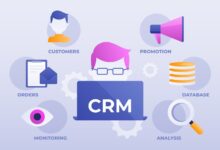
A cloud CRM system, or Customer Relationship Management system, is a software solution that allows businesses to manage interactions and relationships with their customers and potential customers. It is hosted on remote servers and accessed through the internet, providing flexibility and accessibility from anywhere with an internet connection.




Benefits of Using a Cloud CRM System
- Centralized Data: All customer information is stored in one place, making it easy to access and update.
- Scalability: Cloud CRM systems can easily scale up or down based on business needs, allowing for flexibility as the company grows.
- Cost-Effective: Cloud CRM systems often have lower upfront costs and require less IT infrastructure, saving businesses money in the long run.
- Remote Access: Users can access the system from anywhere, making it convenient for remote work or on-the-go sales teams.
Comparison with Traditional CRM Systems
Unlike traditional on-premise CRM systems, cloud CRM systems do not require businesses to invest in expensive hardware or software installations. They also offer greater flexibility, faster implementation, and automatic updates without the need for manual maintenance.
Cost Implications
Implementing a cloud CRM system typically involves subscription-based pricing, which can be more cost-effective for businesses, especially smaller ones, compared to the high upfront costs associated with traditional CRM systems.
Popular Cloud CRM Systems and Key Features
- Salesforce: Known for its extensive customization options and robust reporting features.
- HubSpot CRM: Offers a user-friendly interface with marketing automation capabilities.
- Zoho CRM: Provides a wide range of integrations and tools for sales and marketing teams.
Scalability Options and Benefits
Cloud CRM systems allow businesses to easily scale their operations as they grow, adding new users or features without significant disruption. This flexibility ensures that companies can adapt to changing market conditions and customer needs effectively.
Data Security Measures
Cloud CRM systems employ advanced encryption techniques, access controls, and regular data backups to ensure the security and privacy of sensitive customer information. Regular security updates and compliance with industry standards further enhance data protection measures.
Key Features of Cloud CRM System
Cloud Customer Relationship Management (CRM) systems offer a variety of key features that enhance the management of customer interactions and relationships. These features play a crucial role in improving customer satisfaction, increasing sales, and boosting overall efficiency in businesses.
Essential Features of a Cloud CRM System
- Centralized Customer Database: Allows businesses to store all customer information in one place for easy access and management.
- Lead Management: Helps track and manage potential customers throughout the sales pipeline.
- Contact Management: Enables businesses to organize and manage customer contacts effectively.
- Opportunity Management: Allows tracking of potential sales opportunities and deals.
- Task and Activity Management: Helps in scheduling tasks and activities related to customer interactions.
How These Features Enhance Customer Relationship Management
The features of a cloud CRM system enhance customer relationship management by providing businesses with a comprehensive view of their customers, enabling personalized interactions, improving communication, and streamlining workflows.
Automation Tools in a Cloud CRM System
Automation tools in a cloud CRM system streamline customer interactions by automating repetitive tasks, sending personalized messages at scale, and triggering actions based on customer behavior or predefined criteria.
Significance of Data Analytics Capabilities
Data analytics capabilities in a cloud CRM system are essential for personalized customer experiences as they help businesses analyze customer data, identify trends, forecast customer behavior, and make data-driven decisions to tailor interactions according to individual preferences.
Pricing Structures of Leading Cloud CRM Systems
| Cloud CRM System | Pricing Structure | Key Differences | Benefits |
|---|---|---|---|
| Salesforce | Subscription-based | Highly customizable | Scalability |
| HubSpot CRM | Freemium model | All-in-one platform | User-friendly interface |
Integrations with Other Software Applications
Integrations with other software applications play a crucial role in maximizing the efficiency of a cloud CRM system by allowing seamless data flow between different tools, enhancing collaboration among teams, and providing a holistic view of customer interactions across various platforms.
Implementation and Integration
Implementing and integrating a cloud CRM system is crucial for maximizing its benefits and ensuring smooth operations within an organization.
Implementing a Cloud CRM System
- Data Migration: The first step in implementing a cloud CRM system is migrating existing data from legacy systems or spreadsheets. This process involves cleansing, mapping, and transferring data to ensure accuracy.
- User Training: Conducting comprehensive user training sessions is essential to familiarize employees with the new system, its features, and functionalities. This helps in maximizing user adoption and utilization.
- Customization: Tailoring the cloud CRM system to align with the organization’s specific needs and workflows is key. Customization allows for the configuration of fields, workflows, and reports according to business requirements.
Integration with Other Software Applications
Cloud CRM systems can seamlessly integrate with various software applications to streamline processes and enhance efficiency.
- Email Marketing Tools: Integrating the CRM system with email marketing tools enables targeted campaigns based on customer data stored in the system.
- Help Desk Software: Integration with help desk software allows for a centralized view of customer interactions, enabling better customer service and issue resolution.
Best Practices for Seamless Integration
- API Utilization: Leveraging APIs for integration ensures real-time data synchronization and connectivity between the CRM system and other applications.
- Data Synchronization: Regularly syncing data across integrated platforms prevents data discrepancies and ensures consistency in information.
- Testing Procedures: Conducting thorough testing of integrations to identify and resolve any issues before full deployment is essential for a seamless integration process.
Data Security and Privacy
In a cloud CRM system, data security and privacy are paramount to ensure the protection of sensitive information. Various measures are put in place to safeguard data and comply with data privacy regulations.
Security Measures
- Encryption: Data within a cloud CRM system is often encrypted using advanced protocols such as AES (Advanced Encryption Standard) to protect it from unauthorized access.
- Access Control: Role-based access control mechanisms are implemented to restrict access to data based on user roles and permissions.
- Regular Audits: Regular security audits and assessments are conducted to identify and address any vulnerabilities in the system.
Compliance with Data Privacy Regulations
- GDPR Compliance: Cloud CRM systems ensure compliance with regulations such as the General Data Protection Regulation (GDPR) to protect the privacy of customer data.
- HIPAA Compliance: For healthcare organizations, cloud CRM systems adhere to the Health Insurance Portability and Accountability Act (HIPAA) to safeguard patient information.
Encryption Protocols
| Protocol | Description |
|---|---|
| AES (Advanced Encryption Standard) | Commonly used encryption protocol to secure data at rest and in transit. |
| SSL/TLS | Secure Sockets Layer/Transport Layer Security protocols used for secure communication over the internet. |
| SHA-256 | Secure Hash Algorithm used for data integrity and digital signatures. |
Customization and Scalability
Customization and scalability are key factors to consider when implementing a cloud CRM system for your business. Let’s delve into how these aspects play a crucial role in optimizing your CRM solution.
Level of Customization
When it comes to customization, a cloud CRM system offers a high level of flexibility to tailor the platform according to your specific business needs. You can customize various aspects such as fields, workflows, modules, reports, and dashboards to align with your unique processes. This level of customization ensures that the CRM system adapts seamlessly to your business requirements, enabling you to capture relevant data efficiently and enhance user experience.
Achieving Scalability
Scalability is a significant advantage of cloud CRM systems, allowing businesses to easily scale their operations as they grow. Cloud-based solutions provide the flexibility to add or remove users, integrate new features, and expand storage capacity without significant disruptions. This scalability ensures that your CRM system can accommodate the increasing demands of your business without compromising performance or efficiency.
Tailoring to Specific Business Needs
Tailoring a cloud CRM system to meet specific business needs involves understanding your unique requirements and customizing the platform accordingly. By working closely with CRM experts or consultants, you can identify areas that need customization and implement tailored solutions to address those needs effectively. This approach ensures that your CRM system not only meets your current needs but also remains adaptable to future changes and growth.
User Interface and User Experience
In a cloud CRM system, the user interface design plays a crucial role in ensuring a seamless experience for users. The interface should be intuitive, visually appealing, and easy to navigate to enhance user experience.
Importance of User Experience in Driving Adoption
User experience is key in driving adoption of a cloud CRM system. A well-designed interface can make it easier for users to interact with the system, leading to increased productivity and user satisfaction. Positive user experience encourages users to fully utilize the CRM system, maximizing its benefits.
- Personalization options: Providing users with the ability to customize their dashboard or settings can enhance user experience by allowing them to tailor the system to their specific needs.
- Interactive dashboards: Interactive features such as drag-and-drop functionality or real-time updates can make the system more engaging and user-friendly.
- Visual data representation: Utilizing charts, graphs, and other visual elements to present data can make it easier for users to interpret information quickly and make informed decisions.
Role of Responsive Design
Responsive design is essential in optimizing user experience on various devices. A cloud CRM system should be able to adapt to different screen sizes and resolutions, ensuring that users can access the system seamlessly from any device.
Significance of Intuitive Navigation
Intuitive navigation is crucial in improving user engagement with a cloud CRM system. Clear, logical navigation paths help users find the information they need quickly and efficiently, reducing frustration and enhancing overall user satisfaction.
Impact of Color Schemes
Color schemes can have a significant impact on user perception and interaction within a cloud CRM interface. Using colors strategically can help highlight important information, create visual hierarchy, and evoke specific emotions to guide user behavior and enhance the overall user experience.
Mobile Access and Cross-Platform Compatibility
Mobile access is a crucial aspect of a cloud CRM system as it allows users to interact with the system on-the-go, regardless of their location. This flexibility enables sales teams, customer service representatives, and other stakeholders to access real-time data, collaborate seamlessly, and stay productive even when they are not in the office.
Significance of Mobile Access
- Mobile access ensures that users can respond to customer inquiries promptly, increasing customer satisfaction and retention.
- It allows sales representatives to update leads, opportunities, and contacts while on the field, leading to more efficient sales processes.
- By providing access to the system on mobile devices, businesses can improve employee productivity and responsiveness.
Cross-Platform Compatibility in Cloud CRM
- A cloud CRM system ensures cross-platform compatibility by leveraging web-based technologies that can run on various operating systems such as Windows, macOS, iOS, and Android.
- Users can access the CRM system through web browsers, ensuring a consistent user experience across different devices and platforms.
- By embracing cross-platform compatibility, businesses can cater to diverse user preferences and device choices without compromising functionality.
Advantages of Mobile Access
- Enhanced flexibility and productivity for users working remotely or in the field.
- Improved collaboration among team members through instant access to real-time data.
- Increased responsiveness to customer needs and inquiries, leading to better customer relationships.
Specific Features for Mobile Access
- Intuitive mobile-friendly interface for easy navigation and data input.
- Offline access capabilities to ensure continuous productivity even without an internet connection.
- Push notifications for real-time updates on leads, opportunities, and customer interactions.
Comparison Table: Mobile vs. Desktop Access
| Aspect | Mobile Access | Desktop Access |
|---|---|---|
| Flexibility | High – Accessible on-the-go | Limited – Tied to office environment |
| User Experience | Optimized for touch screens | Optimized for mouse and keyboard |
| Offline Access | Available | Limited or not available |
Responsive Design for User Interface Optimization
- Responsive design ensures that the CRM system adapts to the screen size and resolution of the device being used, providing an optimal viewing experience.
- Elements such as buttons, menus, and forms are resized and rearranged to suit the device, maintaining usability and functionality.
- By implementing responsive design, businesses can deliver a consistent user interface across various devices, enhancing user satisfaction.
Data Security in Cross-Platform Access
- Secure authentication mechanisms such as multi-factor authentication and encryption are employed to protect user data when accessing the CRM system from multiple platforms.
- Data transmission between devices and the cloud CRM server is encrypted to prevent unauthorized access and data breaches.
- Regular security updates and compliance with industry standards ensure that data remains secure and confidential across all platforms.
Reporting and Analytics Capabilities
In a cloud CRM system, reporting and analytics capabilities play a crucial role in helping businesses make informed decisions based on data-driven insights.
Reporting Tools in a Cloud CRM System
- Cloud CRM systems offer a variety of reporting tools, such as customizable dashboards, pre-built reports, and ad-hoc reporting features.
- These tools allow users to track key performance indicators (KPIs), monitor sales activities, and analyze customer data effectively.
- Users can generate reports on demand or schedule them to be automatically delivered at specified intervals.
Analytics Features for Gaining Insights
- Analytics features in a cloud CRM system help businesses gain valuable insights from customer data by identifying trends, patterns, and opportunities.
- By analyzing customer interactions, purchasing behavior, and engagement metrics, businesses can optimize their strategies and improve customer relationships.
- These insights enable businesses to make data-driven decisions that drive growth and profitability.
Key Metrics Tracked in a Cloud CRM System
- Some key metrics that can be tracked using a cloud CRM system include sales performance, lead conversion rates, customer acquisition costs, and customer satisfaction levels.
- Other metrics like customer lifetime value, churn rate, and pipeline velocity are also essential for evaluating business performance and identifying areas for improvement.
Generating Sales Report
- To generate a sales report in a cloud CRM system, users can select the relevant data fields, apply filters or criteria, and choose the desired report format.
- Users can customize the report layout, include graphs or charts for visual representation, and export the report for sharing or further analysis.
Creating Custom Dashboard
- Creating a custom dashboard in a cloud CRM system involves selecting the data widgets or components to be displayed, arranging them according to preferences, and setting up filters or drill-down options.
- Users can personalize their dashboard with key metrics, performance indicators, and real-time data updates to monitor business activities effectively.
Setting Up Automated Reports for KPIs
- Users can set up automated reports for key performance indicators (KPIs) in a cloud CRM system by defining the report parameters, scheduling the report delivery, and configuring recipients.
- Automated reports ensure that stakeholders receive timely updates on critical metrics, performance trends, and business insights without manual intervention.
Charts and Graphs for Data Visualization
- Cloud CRM systems offer various types of charts and graphs, including bar charts, pie charts, line graphs, and scatter plots, for data visualization and analysis.
- These visual representations help users interpret complex data sets, identify correlations, and communicate insights effectively to stakeholders.
Tracking Customer Engagement Metrics
- Tracking customer engagement metrics such as conversion rates, customer retention rates, and average order value is essential for measuring the effectiveness of marketing campaigns, sales efforts, and customer service initiatives.
- By monitoring these metrics in a cloud CRM system, businesses can evaluate customer satisfaction, loyalty, and lifetime value to enhance overall performance and profitability.
Customer Support and Training
Customer support and training are crucial components of a successful cloud CRM system implementation. Effective support options and training programs can make a significant difference in how well users adopt and utilize the system. Here we will discuss the customer support options provided by cloud CRM system vendors, the importance of training programs, and tips for maximizing these resources.
Customer Support Options
Customer support options provided by cloud CRM system vendors can vary, but common options include:
- 24/7 technical support via phone, email, or chat
- Online knowledge base and resources for self-help
- Training webinars and video tutorials
- Access to a dedicated account manager or support team
Importance of Training Programs
Training programs are essential for ensuring users understand how to effectively utilize a cloud CRM system. Some reasons why training programs are important include:
- Increased user adoption and engagement
- Improved data accuracy and system utilization
- Reduced errors and inefficiencies
- Enhanced overall user experience and satisfaction
Tips for Maximizing Support and Training Resources
To make the most of the support and training resources offered by cloud CRM system vendors, consider the following tips:
- Regularly attend training sessions and webinars to stay updated on system features and best practices
- Utilize online resources and knowledge bases for quick troubleshooting and self-help
- Engage with the vendor’s support team for any questions or issues that arise
- Provide ongoing training for new users and employees to ensure continued system proficiency
Cost Considerations and ROI
Implementing a cloud CRM system involves various cost factors that organizations need to consider. From subscription fees to customization costs, understanding the expenses associated with a cloud CRM system is crucial for budget planning. In addition, analyzing the potential return on investment (ROI) from using a cloud CRM system is essential to determine the long-term benefits and profitability of the investment.
Breakdown of Cost Factors
- Subscription Fees: Most cloud CRM providers offer subscription-based pricing models, where organizations pay a monthly or annual fee for access to the system.
- Customization Costs: Tailoring the cloud CRM system to meet specific business requirements may incur additional customization costs.
- Integration Expenses: Integrating the cloud CRM system with existing software applications or databases can involve integration fees.
- Training and Support: Training employees on how to use the cloud CRM system and ongoing support services may contribute to the overall cost.
Analyzing ROI
ROI = (Net Profit / Cost of Investment) x 100
Organizations can calculate the ROI of a cloud CRM system by comparing the net profit generated from improved customer relationships, increased sales, and cost savings against the initial investment in the system.
Comparing Pricing Models
| Provider | Pricing Model |
|---|---|
| Salesforce | Per User Subscription |
| HubSpot | Free Basic Version, Paid Plans for Additional Features |
| Zoho CRM | Tiered Pricing Based on Number of Users |
Case Studies and Success Stories
Case studies and success stories play a crucial role in showcasing the tangible benefits of implementing a cloud CRM system for businesses. These real-world examples provide valuable insights into how organizations have leveraged cloud CRM solutions to enhance their operations and achieve significant results.
Case Study 1: Company A
Company A, a mid-sized retail business, implemented a cloud CRM system to streamline its customer interactions and improve sales processes. By centralizing customer data and enabling automated marketing campaigns, Company A saw a 20% increase in sales within the first year of adopting the cloud CRM solution. Additionally, the company reported a 15% reduction in customer response time, leading to higher customer satisfaction rates.
Case Study 2: Company B
Company B, a tech startup, decided to switch to a cloud CRM system to better manage its growing customer base and track sales performance. After implementing the cloud CRM solution, Company B experienced a 30% increase in lead conversion rates and a 25% decrease in customer churn. The enhanced data analytics capabilities of the cloud CRM system also allowed Company B to identify new market opportunities and tailor its marketing strategies accordingly.
Future Trends and Innovations
The future of cloud CRM systems is poised for exciting advancements and innovations that will revolutionize the way businesses interact with their customers. With the rapid evolution of technology, several trends are expected to shape the future landscape of cloud CRM systems.
Artificial Intelligence Integration
Artificial intelligence (AI) is set to play a pivotal role in transforming cloud CRM systems by offering intelligent insights and automation capabilities. AI-powered chatbots, predictive analytics, and personalized recommendations will enhance customer interactions and streamline business processes.
- AI-powered Chatbots: Chatbots equipped with natural language processing will provide instant customer support and engage with users in a more human-like manner.
- Predictive Analytics: AI algorithms will analyze vast amounts of data to predict customer behavior, enabling businesses to anticipate needs and tailor their offerings accordingly.
- Personalized Recommendations: AI will enable cloud CRM systems to deliver hyper-personalized recommendations based on individual customer preferences and past interactions.
Machine Learning for Customer Experience Enhancement
Machine learning algorithms will further enhance personalized customer experiences by continuously learning from customer data and behavior patterns. These algorithms will enable businesses to anticipate customer needs, offer proactive solutions, and foster long-term relationships.
- Continuous Learning: Machine learning models will adapt in real-time to changing customer preferences, ensuring that interactions remain relevant and timely.
- Proactive Solutions: By analyzing historical data, machine learning algorithms can predict potential issues or opportunities, allowing businesses to address them proactively.
- Relationship Building: Machine learning will help businesses build stronger relationships with customers by understanding their preferences and delivering tailored experiences.
Augmented Reality for Sales and Customer Service
The integration of augmented reality (AR) in cloud CRM systems will revolutionize sales and customer service interactions by offering immersive and interactive experiences. AR technology will enable businesses to showcase products, provide virtual demonstrations, and offer remote support with enhanced visualization.
- Immersive Product Demonstrations: AR technology will allow customers to visualize products in a real-world environment, enhancing their understanding and purchase decisions.
- Virtual Support: Customer service representatives can use AR tools to guide customers through troubleshooting steps or provide remote assistance with visual overlays.
- Enhanced Visualization: AR will enable businesses to create interactive experiences that engage customers and differentiate their offerings in the market.
Data Analytics and Predictive Modeling Optimization
The future of cloud CRM systems will heavily rely on advanced data analytics and predictive modeling techniques to optimize business processes and drive informed decision-making. Harnessing the power of data will enable businesses to gain valuable insights, identify trends, and forecast future outcomes with precision.
- Advanced Analytics: Businesses will leverage cutting-edge analytics tools to extract actionable insights from large datasets, enabling them to make data-driven decisions.
- Predictive Modeling: By using predictive algorithms, businesses can forecast customer behavior, sales trends, and market dynamics, allowing for proactive strategies and targeted interventions.
- Optimized Processes: Data analytics and predictive modeling will streamline operations, improve efficiency, and enhance the overall performance of cloud CRM systems.
Ethical Considerations in Customer Data Usage
As cloud CRM systems continue to evolve, ethical considerations surrounding the use of customer data will become increasingly important. Businesses must prioritize data privacy, transparency, and consent to build trust with customers and ensure compliance with regulations.
- Data Privacy: Businesses must uphold strict data privacy standards and secure customer information to prevent unauthorized access or misuse.
- Transparency: Providing transparent information about data collection, storage, and usage practices will foster trust and credibility among customers.
- Consent Management: Obtaining explicit consent from customers for data processing and ensuring they have control over their personal information are essential ethical considerations.
Best Practices and Tips
When it comes to optimizing the use of a cloud CRM system, there are several best practices and tips that can help maximize productivity and efficiency, as well as drive continuous improvement and innovation in CRM practices.
Data Management and Organization
- Regularly clean and update your data to ensure accuracy and relevance.
- Implement a standardized data entry process to maintain consistency.
- Utilize data segmentation to personalize customer interactions and campaigns.
- Integrate your CRM system with other tools to streamline data management processes.
Automation and Workflow Optimization
- Identify repetitive tasks and automate them to save time and reduce manual errors.
- Create custom workflows to ensure smooth transitions between different stages of the customer journey.
- Utilize AI and machine learning capabilities for predictive analytics and automated decision-making.
- Regularly review and optimize your automation processes to adapt to changing business needs.
User Training and Adoption
- Provide comprehensive training and resources to ensure all users are proficient in using the CRM system.
- Encourage user adoption by highlighting the benefits and impact of the CRM system on their daily tasks.
- Solicit feedback from users to identify areas for improvement and additional training needs.
- Regularly conduct refresher training sessions to keep users engaged and up-to-date with system updates.
Final Thoughts
In conclusion, the cloud CRM system emerges as a powerful tool for businesses looking to streamline customer interactions, enhance data security, and drive growth. With its scalability, customization options, and advanced analytics capabilities, this system paves the way for a more efficient and personalized customer experience.
